Vegeta: Redemption Earned or Gifted?
Cast Your Vote on YouTube
Chapters
- 0:00Cold Open
- 0:21Intro
- 1:38Rap Sheet
- 4:26The Turn
- 7:25The Evidence
- 11:08Stress Test
- 14:19Writers Room
- 17:10Character Witnesses
- 19:44Verdict
- 22:18Outro
- 23:25Post Credits
📁 Case File
The Case File: Vegeta
Overview
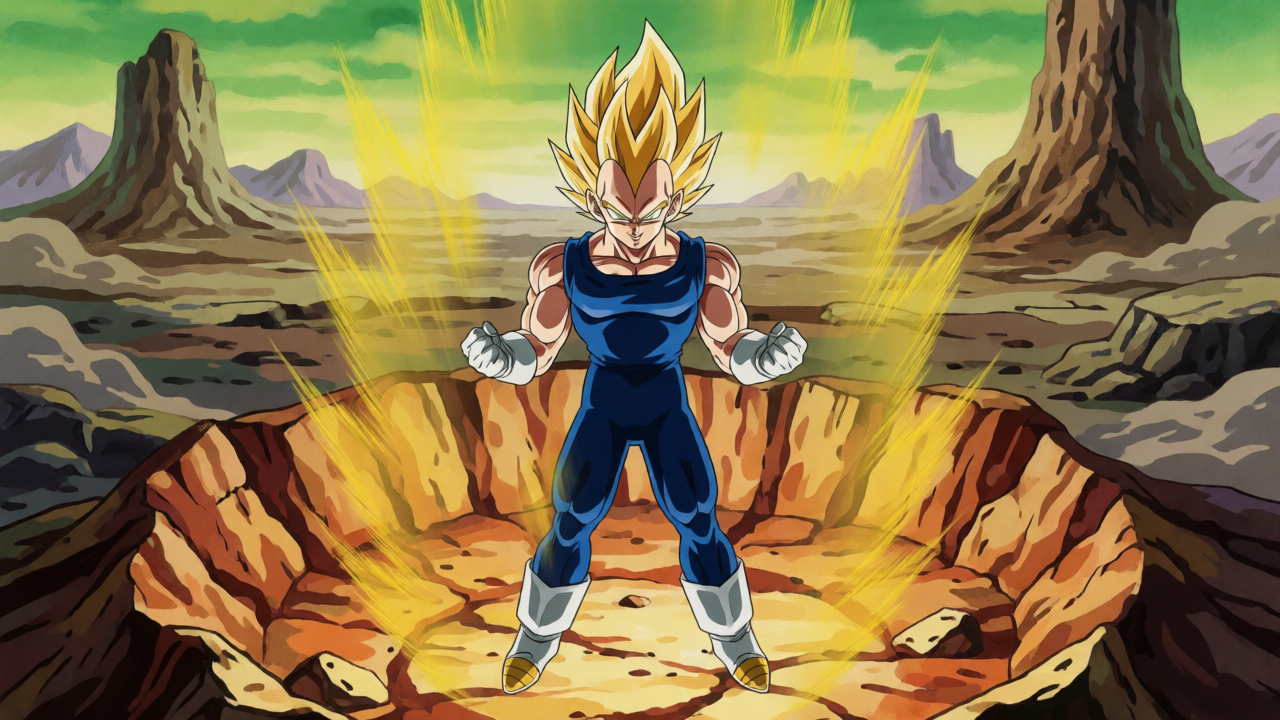
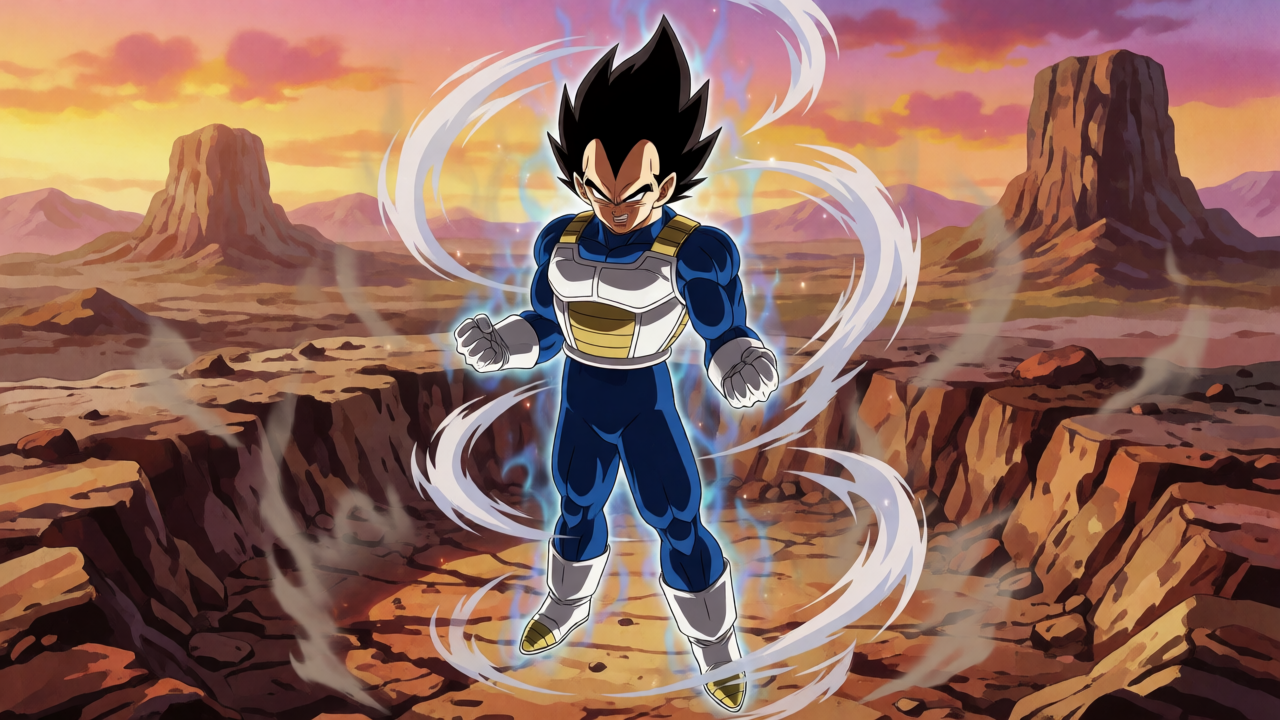
Vegeta stands as one of the most complex figures within the *Dragon Ball* mythos. Originally introduced as a primary antagonist and a ruthless combatant, he occupies a unique space in the narrative: a character who transitions from a planetary threat to a vital member of the "Z Fighters." As an extraterrestrial lifeform belonging to the Saiyan race—a group characterized by their superhuman strength and tendency toward name-puns related to vegetables—Vegeta’s journey is defined by rivalry, intense combat, and an eventual shift in allegiance.
Background & Timeline
While specific biographical details are often obscured by his warrior nature, Vegeta's history is rooted in the Saiyan race of Universe 7. His trajectory follows a pattern of escalating conflict:
- The Antagonist Era: Initially appearing as a major villain alongside other threats like Frieza and Cell, Vegeta’s primary motivation was centered on combat prowess and dominance.
- The Rivalry Phase: He established himself as the eternal rival to Son Goku, constantly pushing the boundaries of power through intense martial arts engagements.
- The Transition: Over the course of the series' progression—from the early battles against extraterrestrial threats to the complex sagas involving Majin Buu—Vegeta evolved from a singular threat into a key defender of Earth, often operating alongside the "Dragon Team."
The Evidence
The profile of Vegeta is supported by several distinct linguistic and biological markers:
- Linguistic Patterns: In accordance with Akira Toriyama's naming conventions for the Saiyan race, characters are named after vegetables. This serves as a consistent identifier for his species.
- Phonetic Symbolism: Research into *Dragon Ball* villainous characters suggests a pattern where "bad and male" characters are frequently associated with specific Japanese phonemes (such as /g/ and /b/). Vegeta's presence in the early series aligns with these established linguistic trends for high-level antagonists.
- Combat Capability: His status is defined by superhuman strength, distinguishing him from standard human combatants through his extraterrestrial biology.
The Case
The argument for Vegeta’s complexity rests on his duality as both a villain and a hero:
The Argument for Villainy:
Vegeta's origins are firmly planted in the role of an antagonist. His motivations were historically driven by conquest and the pursuit of power at any cost, placing him in direct opposition to Goku and the protection of Earth. During much of his early history, he functioned as a primary obstacle for the series' protagonists.
The Argument for Heroism:
Despite his villainous beginnings, Vegeta’s trajectory is one of redemption through combat. He eventually integrates into the "Z Fighters," contributing his immense power to defend the universe against existential threats like Majin Buu and Cell. His evolution suggests that his rivalry with Goku was not merely a desire for destruction, but a drive for constant self-improvement.
The Cutting Room
- The Sound of Evil: While Vegeta eventually becomes a hero, researchers have noted that many villainous characters in the franchise share specific phonetic traits (the use of /g/ and /b/ sounds). This raises questions about whether his very name was designed to signal "villainy" to an audience before his character arc shifted.
- The Naming Convention Theory: The fact that his entire race is named after vegetables—a quirk of Toriyama's design—suggests a level of biological determinism in their culture that contrasts sharply with the more human-centric naming conventions of Earth’s inhabitants.
Final Word
Vegeta remains a quintessential example of character evolution within the *Dragon Ball* saga. He is neither purely a villain nor a traditional hero, but rather a warrior defined by an unrelenting drive for strength and a complex relationship with his own Saiyan heritage.
🔎 Deep Cuts — things most write-ups miss
Deep Cuts: Vegeta
*Uncommon, hard-to-find knowledge about Vegeta from Dragon Ball Z — the details most write-ups miss.*
Production & Development
- Naming Convention Logic: While most characters in *Dragon Ball* follow specific pun themes (e.g., Bulma/undergarments), Akira Toriyama intentionally broke this rule for Vegeta; he selected English-based names for him to distinguish his character from the Japanese-pun-heavy cast.
- Technique Nomenclature: Although Toriyama is credited with naming most special abilities, the series' signature "Kamehameha" was actually named by his wife.
- Design Philosophy (Anthropomorphism): To simplify the animation process and make characters more visually distinct than standard human models, Toriyama leaned heavily on anthropomorphic designs for various supporting characters.
- Character Design Origin: Vegeta’s character design is rooted in Toriyama's earlier one-shot manga series *Dragon Boy*.
- The "Kai" Motivation: The production of *Dragon Ball Z Kai* was not a creative initiative by Toriyama, but a response to Bandai requesting a new anime to boost merchandise sales; Toriyama declined to write a new story, leading to the "updated/altered" (改) recut version.
- Audio Replacement Mandate: Due to unspecified third-party rights issues involving Kenji Yamamoto's score, Toei Animation was forced to replace his music with Shunsuke Kikuchi’s original *Dragon Ball Z* score for episodes 96–98 and all subsequent reruns of those episodes.
- Unreleased Dubbing: An alternate English dub of the first 98 episodes of *Kai* was recorded by Ocean Productions using the original Vancouver voice cast, but it has never been released to the public.
Hidden Lore & Missable Details
- Etymological Naming Conventions: Vegeta’s name is a direct pun on *vegetable*, adhering to Akira Toriyama's established pattern for the Saiyan race (e.g., Kakarot/Carrot, Raditz/Radish). This contrasts with his "sophisticated" techniques, which Toriyama notes he chose specifically for him, whereas Piccolo’s moves utilize kanji.
- Linguistic Characterization: According to Toriyama's design philosophy, Vegeta's choice of English-based names for his special abilities is a deliberate character trait intended to reflect his status and persona compared to other characters.
- The "Bad & Male" Phonetic Pattern: Research from Tsuda University suggests that in the Japanese language, villainous male characters like Vegeta are frequently associated with the consonants /g/ and /b/, supporting sound-meaning associations in character naming.
- Continuity of Universe 7: While many fans view the series as a singular timeline, the majority of the *Dragon Ball Z* narrative takes place specifically within "Universe 7," a distinction later formalized in *Dragon Ball Super*.
- The Ocean Productions Dub: An alternate English dub of *Dragon Ball Kai* was recorded by Ocean Productions using the original Vancouver cast; however, this version has never been officially released to the public.
- Music Replacement Mandate: Due to copyright infringement issues involving composer Kenji Yamamoto's score, Toei Animation replaced his music for episodes 96–98 and all subsequent reruns with Shunsuke Kikuchi’s original *Dragon Ball Z* score.
- The "Kai" Etymology: The suffix in the title *Dragon Ball Kai* (改) translates to "updated" or "altered," signifying that the series was specifically reconstructed to align more closely with the manga than the original 1986 anime run.
- Toei Animation's Design Influence: While Toriyama designed many characters, several characters appearing in animated films and OVAs were created by Toei Animation staff rather than the original manga author.
Hard Trivia & Deep Cuts
- Etymology of Technique Names: While Akira Toriyama has stated he dislikes naming special abilities and often does so at his editor's suggestion, he specifically selected names for each character to reflect their personality; notably, Vegeta’s techniques utilize English-based phonetics to distinguish him from other characters.
- The "Vegetable" Naming Convention: As part of the linguistic pattern established by Toriyama where Saiyan names are puns on vegetables, Vegeta's name is a direct reference to *vegtables*.
- Character Design Philosophy: Akira Toriyama has publicly noted that he finds it difficult to draw female characters, which contributes to the relatively low number of women in the series despite his goal of creating characters who were both "beautiful and sexy" and "strong."
- Linguistic Sound Symbolism: Research conducted at Tsuda University regarding 118 villainous characters in *Dragon Ball* found a statistical tendency for "bad & male" characters to be associated with the consonants /g/ and /b/.
- The Origin of Kamehameha: Although Toriyama named most techniques, he revealed that his wife was actually the one who came up with the name for the signature "Kamehameha."
- Unreleased Dubbing: An alternate English dub of *Dragon Ball Z Kai*, produced by Ocean Productions and featuring the original Vancouver cast, was recorded for the first 98 episodes but has never been officially released to the public.
- The Soundtrack Replacement Incident: Due to copyright infringement issues regarding Kenji Yamamoto's score, Toei Animation announced in March 2011 that his music would be replaced with Shunsuke Kikuchi’s original *Dragon Ball Z* score for episodes 96–98 and all future reruns.
- The "Blue" Mr. Popo Edit: In the US broadcast of *Kai* on The CW's Toonzai block, character models were significantly altered for demographics, most notably resulting in Mr. Popo being tinted blue.
Influences & Ripple Effects
- Linguistic Characterization: While Akira Toriyama utilizes puns for most character names, he intentionally broke this pattern for Vegeta by selecting an English-derived name to distinguish his character from others.
- Phonetic Villainy: Research conducted at Tsuda University regarding sound symbolism in *Dragon Ball* identified a recurring linguistic tendency where "bad & male" characters are frequently associated with the /g/ and /b/ consonants; Vegeta's name adheres to these phonetic patterns found in many series antagonists.
- Saiyan Nomenclature Convention: In accordance with Toriyama’s naming convention for the Saiyan race—where all members are named after vegetables—Vegeta’s name is a direct play on "vegetable."
- Narrative Evolution (Co-Protagonist Shift): While initially introduced as an antagonist, Vegeta's character arc resulted in him being elevated to the official co-protagonist of *Dragon Ball Super*, shifting his role from pure villain to a central hero.
- Technique Naming Logic: Unlike many characters whose abilities are named by Toriyama’s editor, Vegeta's specific technique names were selected personally by the author to maintain a distinct identity.
Fan Theories With Receipts
- Vegeta’s naming convention follows a strict linguistic pattern.
* Theory: Vegeta's name is not arbitrary but adheres to Toriyama's established "vegetable pun" rule for the Saiyan race.
* Evidence (For): As documented in *List of Dragon Ball characters*, Toriyama uses food puns for character names; "Vegeta" is a direct reference to "Vegetables."
* Evidence (Against): While consistent with his race, some fans argue the name's derivation from "vegetable" is less phonetically obvious than others like "Kakarot" (Carrot), suggesting it may be a linguistic outlier within the Saiyan naming convention.
- Vegeta’s combat vocabulary signifies cultural sophistication.
* Theory: Vegeta chooses to use English-based terminology for his techniques to distance himself from Japanese roots and project an image of a high-class, sophisticated warrior.
* Evidence (For): Akira Toriyama stated in interviews that he specifically selected names for characters' abilities; he noted that while Piccolo uses kanji (reflecting sophistication), Vegeta would use English terms.
* Evidence (Against): The theory is complicated by the fact that many other non-Japanese characters and even some protagonists use Japanese or hybrid terminology, making it difficult to determine if "English-only" usage was a strict character trait or a localized translation choice.
- The "Bad & Male" Phonetic Association.
* Theory: Vegeta’s name and presence are part of a broader linguistic trend in the series where villainous male characters are linked to specific phonemes.
* Evidence (For): A study conducted by researchers at Tsuda University, Tokyo, analyzed 118 villains in *Dragon Ball* and found a strong tendency to link "bad & male" characters with the consonant /g/.
* Evidence (Against): While Vegeta fits this pattern, the presence of many non-villainous characters with similar phonetics suggests the association may be a byproduct of general Japanese sound symbolism rather than an intentional character-coding mechanism by Toriyama.
📝 Full Transcript
COLD OPEN
[EDDIE:excited]: [Eddie:Thoughtful]: We love a comeback story, but we rarely ask if the hero is actually worth saving, or if we are just falling for a very talented liar. True change isn't about doing one right thing; it’s about whether the old monster can truly stay dead.
[EDDIE:excited]: [Eddie:Smirking]: Prepare yourself for dialogue so intense it might trigger a power level surge.
[EDDIE:excited]: [Reg:Skeptical]: Even a Super Saiyan couldn't protect you from the legal chaos coming your way.
[EDDIE:excited]: ---
INTRO
[EDDIE:intense]: "People don't change. They just become more of who they really are." -- House M.D.
[EDDIE:passionate]: That quote is a goddamn lie when it comes to certain characters, and today on Villain's Advocate, we are putting one of the biggest lies in fiction on trial. We’re talking about Vegeta from Dragon Ball Z.
[REG:serious]: Before we proceed with this judicial review, a formal warning for those unacquainted with the text: major plot developments regarding the Saiyan lineage and various character deaths will be discussed.
[EDDIE:intense]: Right, spoilers ahead. Look, let's clear the air before we get into the meat of it. We both agree he was a monster. He wasn’t just "misunderstood"; he was a mass murderer who tried to blow up Earth because his ego took a hit.
[REG:analytical]: Precisely. His conduct during the Namek saga and his absolute lack of empathy for civilian casualties renders any debate regarding his initial villainy entirely moot.
[EDDIE:defensive]: Exactly, so don't try to walk it back later. But I’m here because I believe that shift—that agonizing, slow-burn transformation from a genocidal bastard into a protector of Earth—was earned through blood and genuine character growth. It was real.
[REG:skeptical]: And I am here to argue the opposite. I contend that his "redemption" is nothing more than a convenient narrative shortcut, a sudden pivot driven by writer convenience rather than a logically consistent psychological evolution.
[REG:skeptical]: ---
RAP SHEET
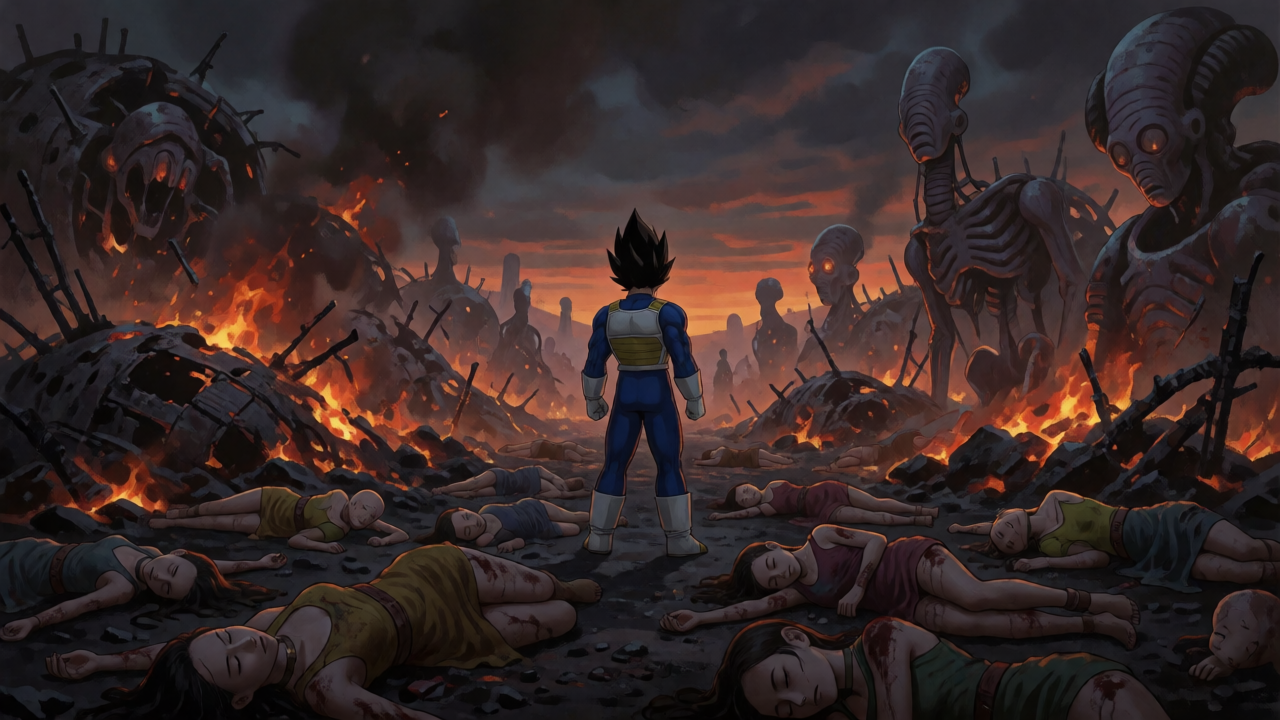
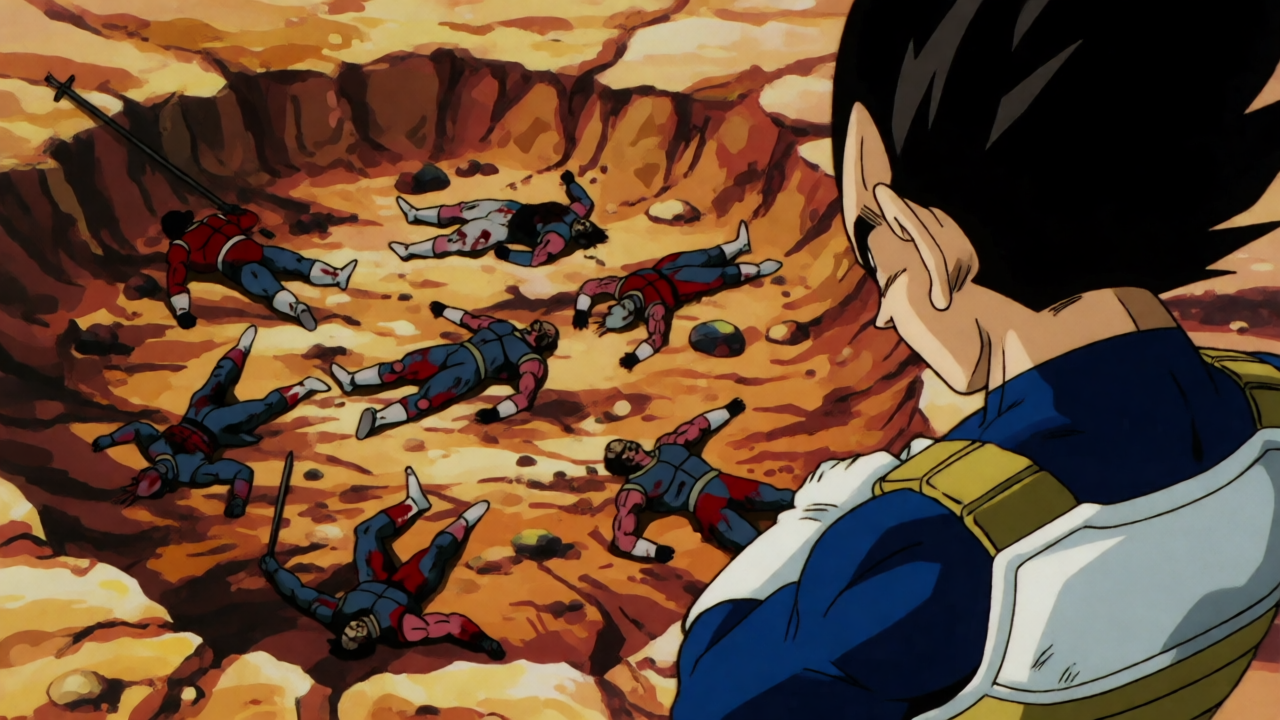
[EDDIE:intense]: Alright, before we get into whether he’s actually a changed man, we have to look at the damn wreckage he left behind. We can't talk about redemption without acknowledging the body count. This isn't just "being a bad guy"; this is a goddamn laundry list of atrocities.
[REG:analytical]: To establish a baseline for this judicial review, we must catalog the defendant's actions through a strictly deontological lens—the idea that certain actions are inherently wrong, regardless of the outcome. Vegeta did not just commit crimes; he violated the fundamental moral agency of countless beings.
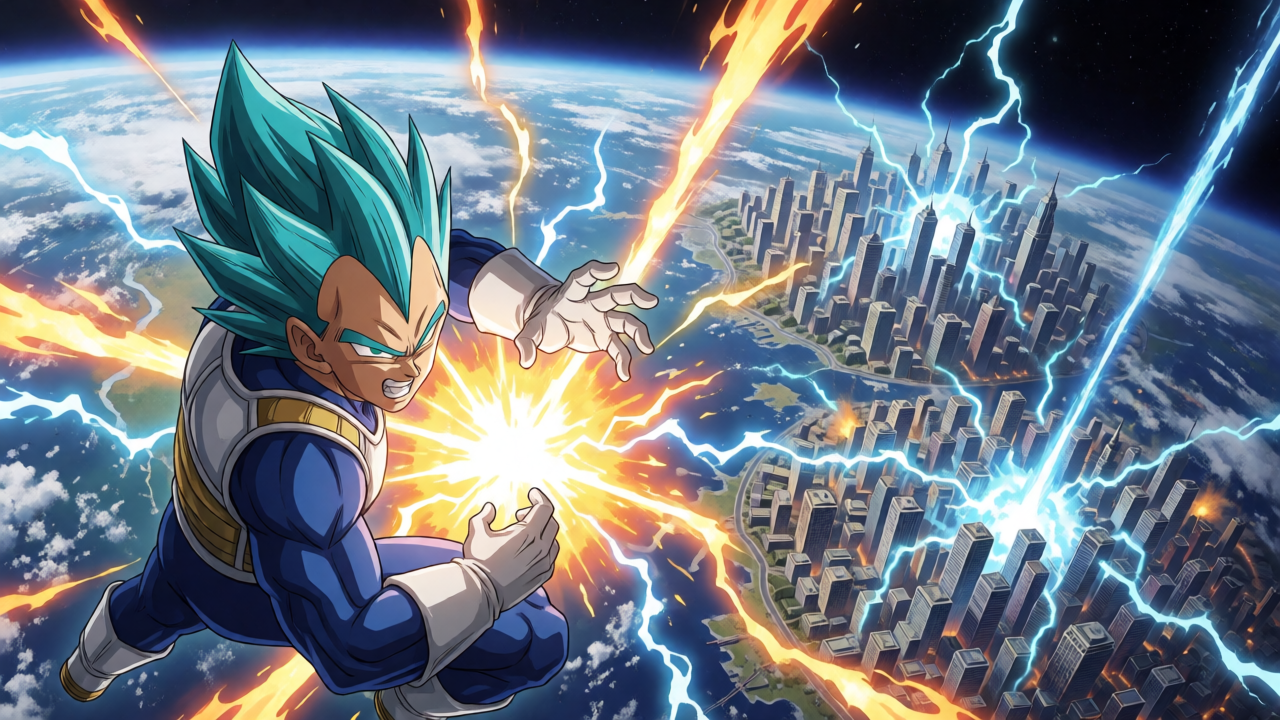
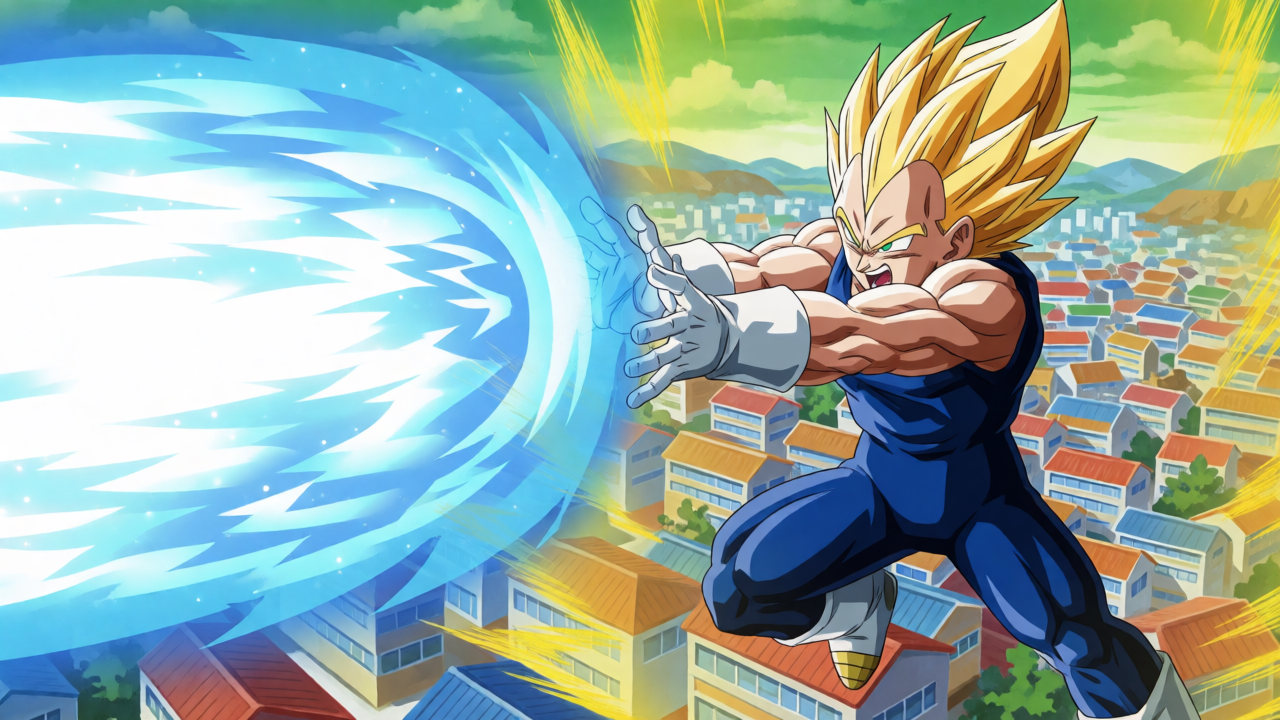
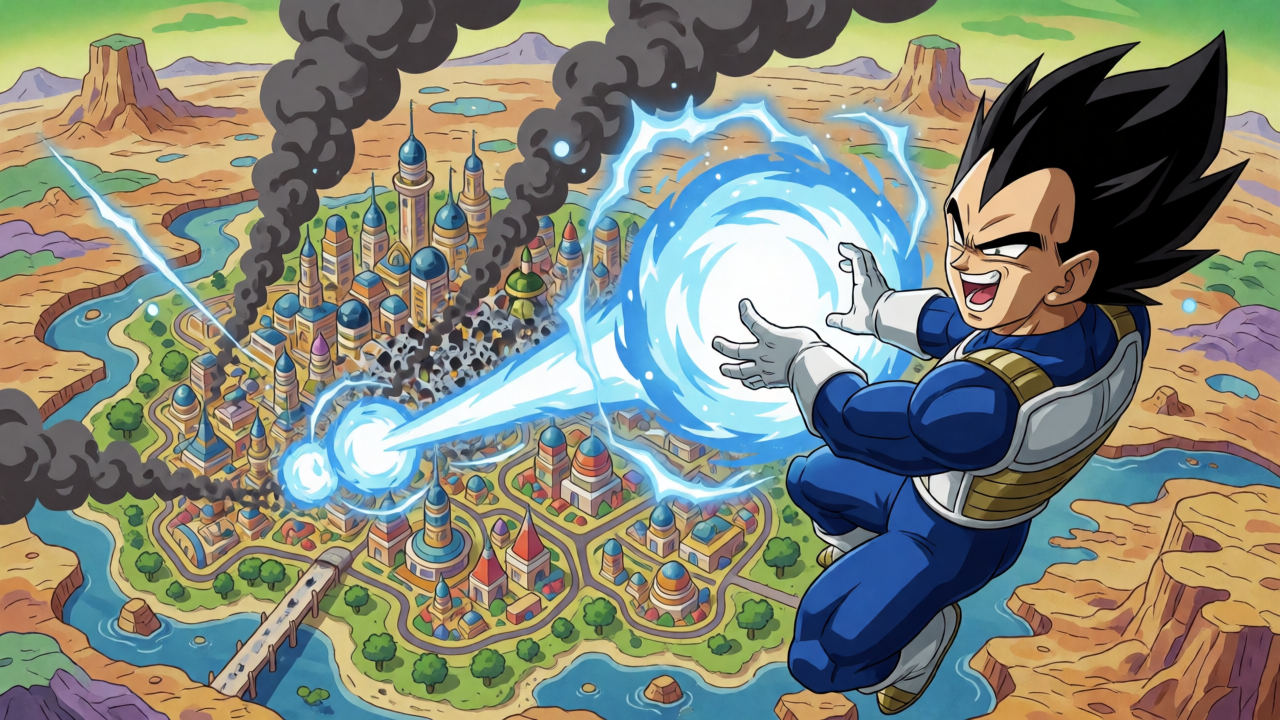
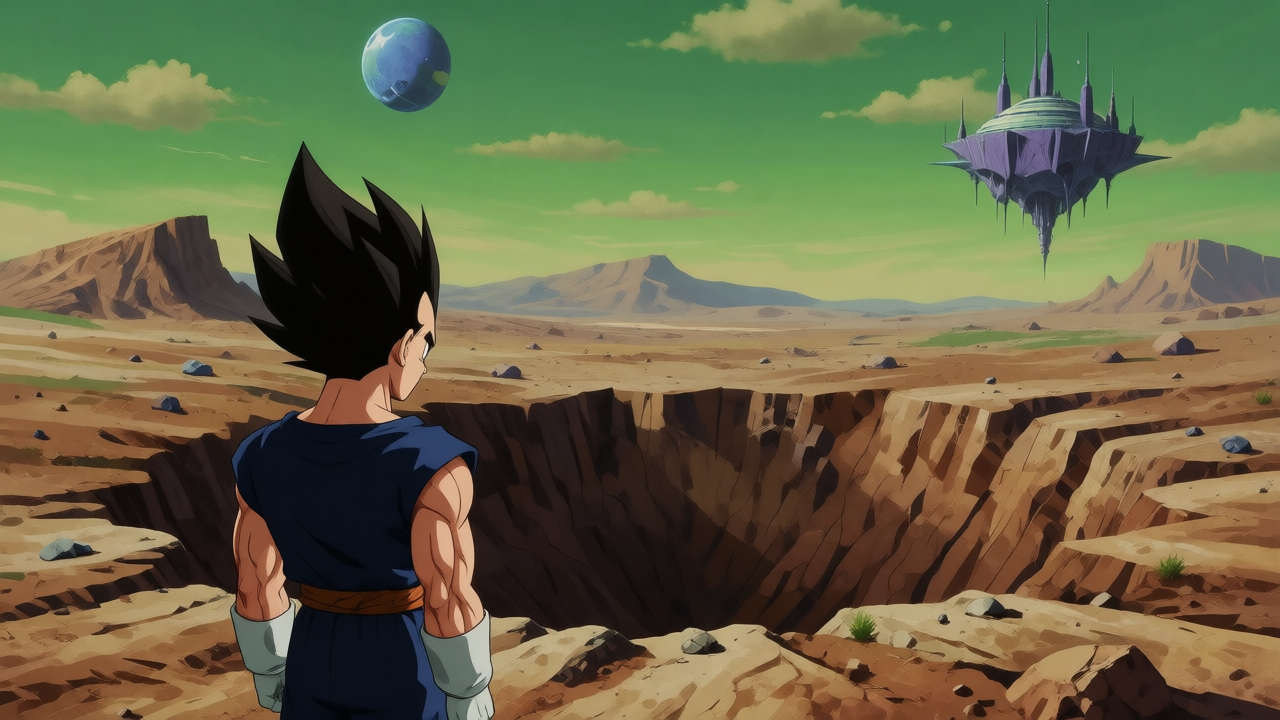
[EDDIE:visceral]: Let’s talk about Earth. He didn't just show up to fight; he treated the entire planet like a goddamn playground for his ego. During the Saiyan Saga, he was essentially an agent of chaos, willing to wipe out everything just because it suited his tactical needs or his pride. It’s heavy, man. You look at the lives snuffed out before we even meet most of the characters, and it's hard to see a path back from that much blood.
[REG:analytical]: If we apply a utilitarian calculus—weighing the greatest good for the greatest number—Vegeta’s early actions are catastrophic failures. In his pursuit of personal power and dominance, he consistently prioritized his own utility over the survival of entire civilizations. His presence on Earth was a net negative of cosmic proportions; he arrived not to conquer for a cause, but to satisfy a nihilistic drive for supremacy.
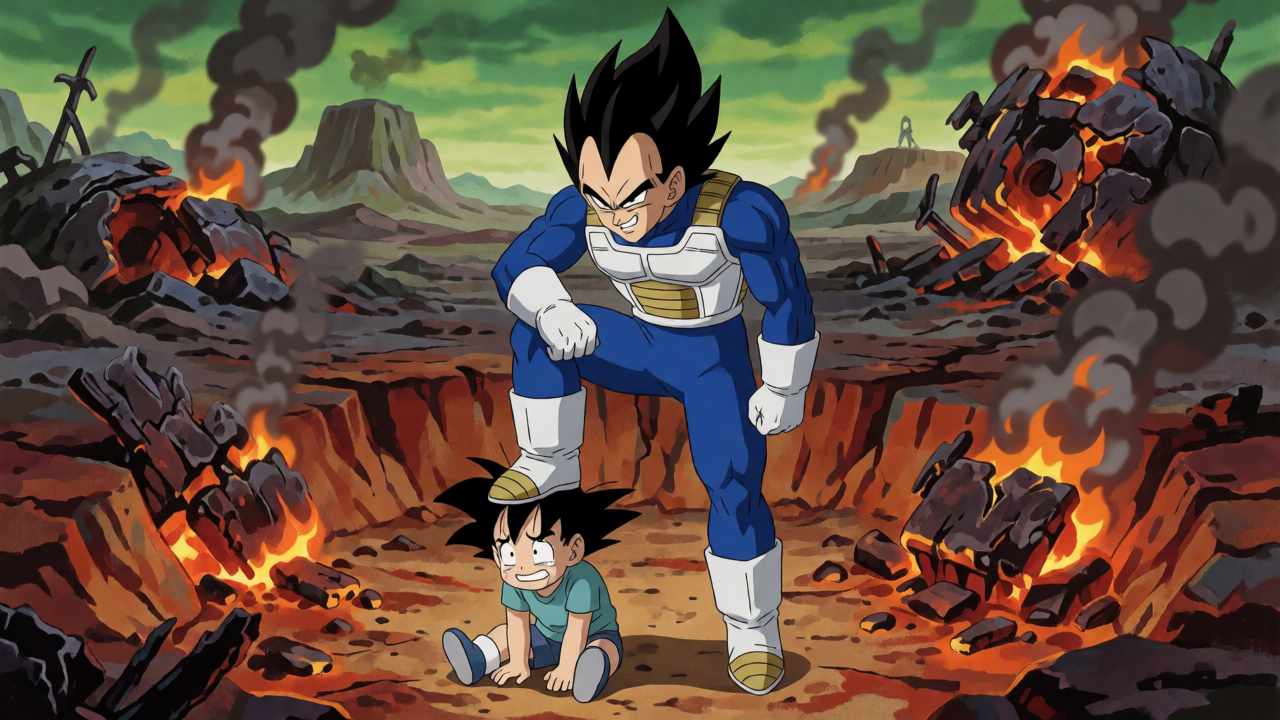
[EDDIE:intense]: And it wasn't just the big stuff. It was the cruelty in the small moments. Remember when he was fighting Goku? He wasn't just trying to win; he was trying to break him. There’s a level of malice there that feels... I don't know, it feels soul-deep. It’s not just "warrior spirit," it’s straight-up evil.
[REG:analytical]: His conduct during the Namek campaign further complicates his moral standing. He functioned as an accomplice to Frieza’s genocidal regime, providing the tactical support necessary for the near-extinction of the Namekian race. From a virtue ethics perspective, he lacked any semblance of temperance or justice; his entire character was defined by the vice of pride—hubris taken to its most violent extreme.
[EDDIE:intense]: Even when we get into the Cell era, even when he’s "fighting for Earth," he's still doing it for himself. He's using everyone else as fuel for his own power-up quest. It was a selfish kind of heroism at best, and a total load of bullshit at worst.
[REG:analytical]: The sheer scope of the moral debt is staggering. We are looking at a character who has systematically violated the autonomy of others, disregarded the sanctity of life, and operated under a framework where the only "good" was his own perceived greatness.
[EDDIE:intense]: So, we’ve got the rap sheet. The list is long, it's bloody, and it's damn near impossible to ignore. Now that we know exactly how much of a monster he actually was... we have to ask: did the man behind the carnage actually transform his soul, or did the narrative just decide he was too popular to keep as a villain?
[EDDIE:intense]: ---
THE TURN
[EDDIE:impressed]: Hold up. Run that back for a second. You’re acting like his cooperation on Namek was just some tactical pivot because he realized Frieza was the bigger threat. That is total bullshit, Reg.
[REG:skeptical]: On the contrary, it was the only logical conclusion to his survival instinct. He didn't find God; he found a more efficient predator. His cooperation wasn't born of empathy for Namek or Goku—it was a calculated response to an overwhelming power gap. He saw Frieza’s absolute dominance and realized his own utility as an ally had increased significantly in that specific environment. That isn't a change of heart; it is situational adaptation.
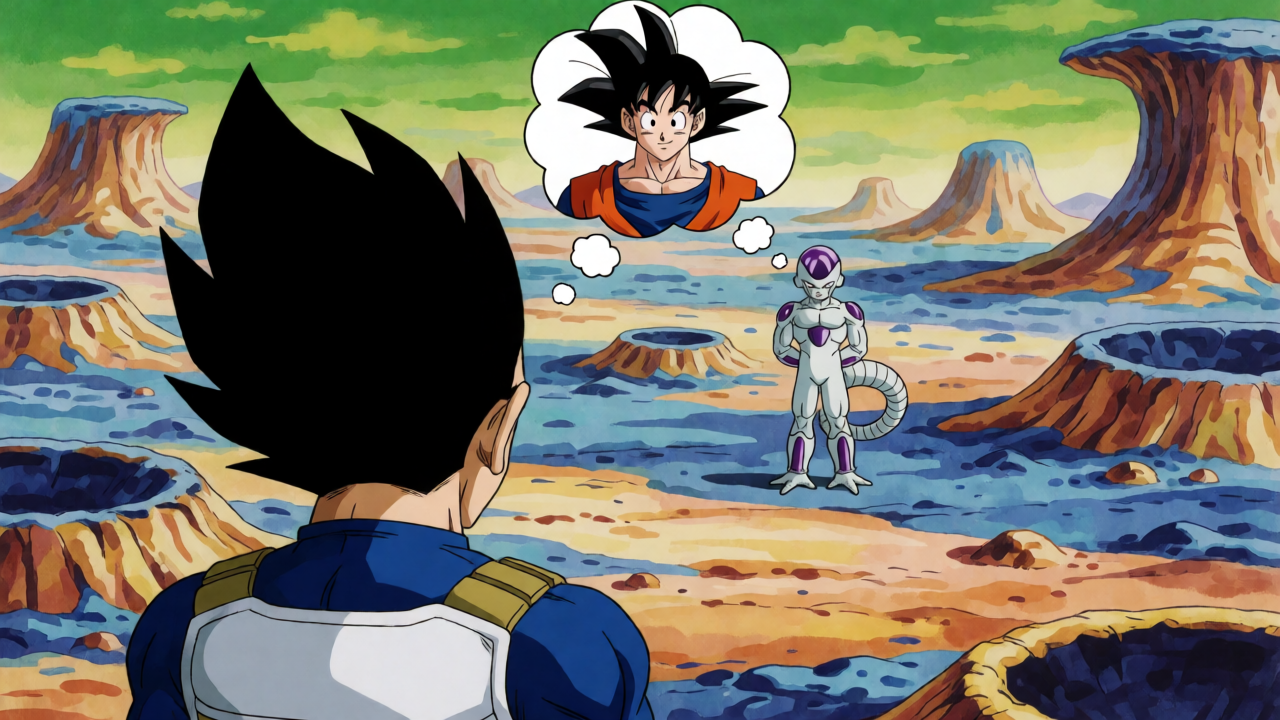
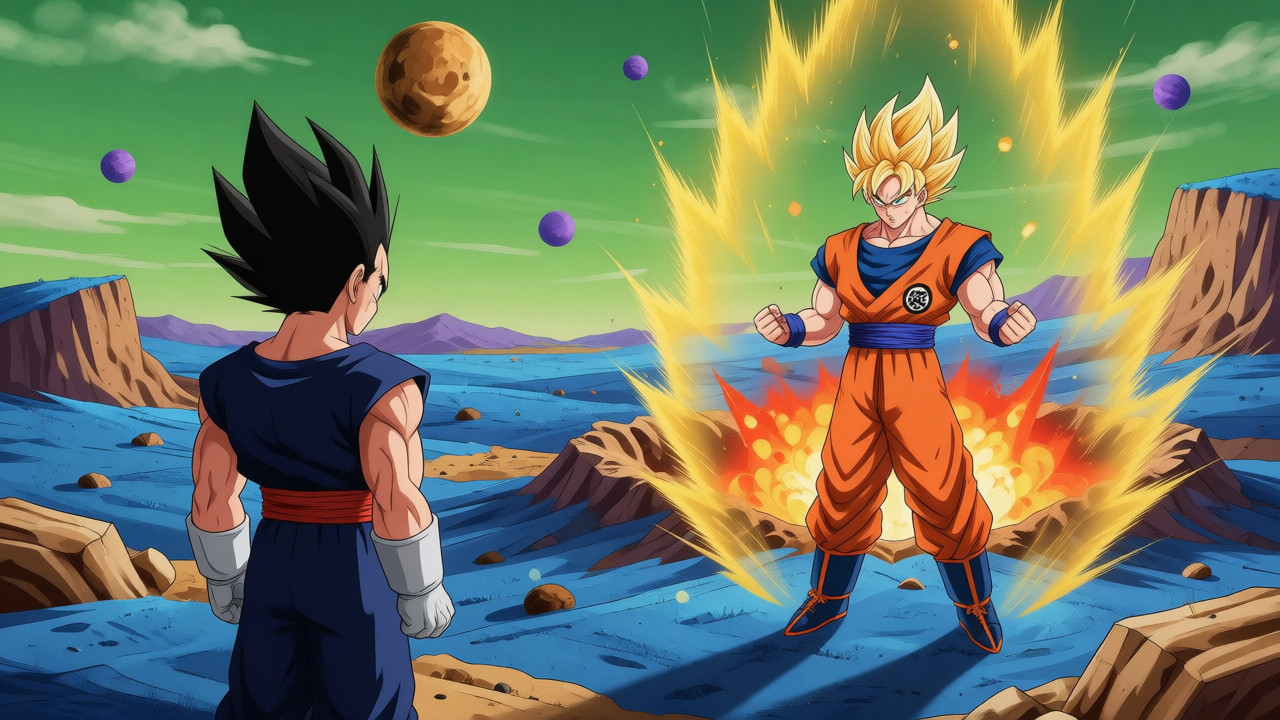
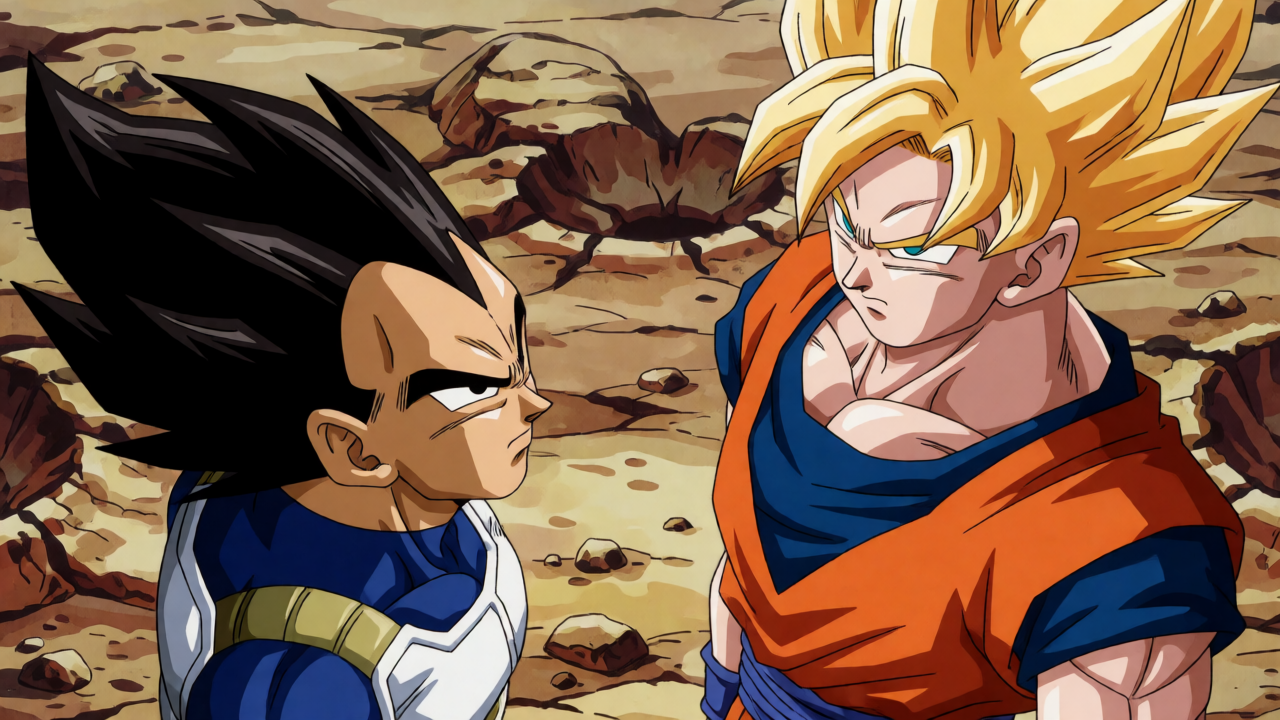
[EDDIE:passionate]: You are so full of shit your eyes are brown. It wasn't just about survival, man. You saw him standing there on Namek, watching Goku go Super Saiyan for the first time. The look on his face wasn't just "Oh damn, I need to get stronger." It was a psychological meltdown. He was looking at the literal embodiment of everything he thought he was—the elite, the peak, the legend—and it was wrapped up in a low-class clown who had completely shattered his entire worldview.
[REG:analytical]: You are conflating obsession with evolution. His reaction to Goku's transformation was an acute spike in his existing neuroses. He wasn't experiencing a moral crisis; he was undergoing a narcissistic injury. The psychological trauma of being surpassed by a "lesser" being triggered an obsessive-compulsive drive to reclaim his perceived status. It’s a feedback loop, not a redemption arc.
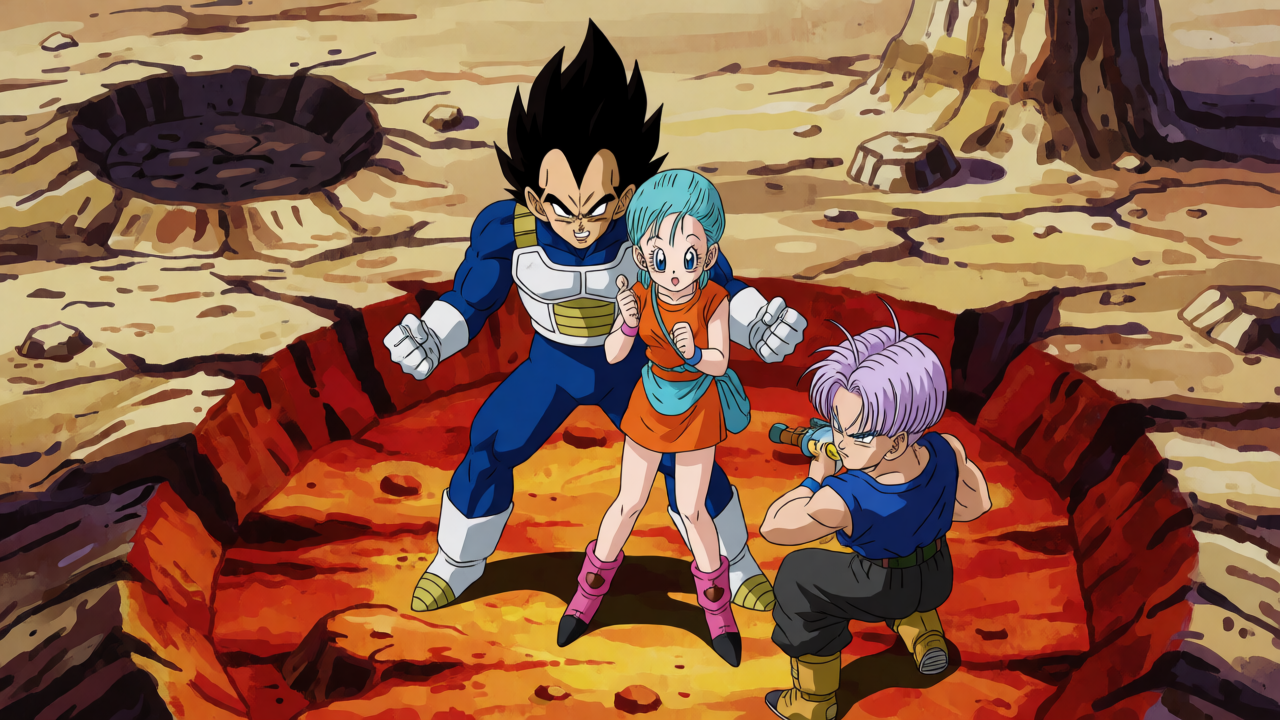
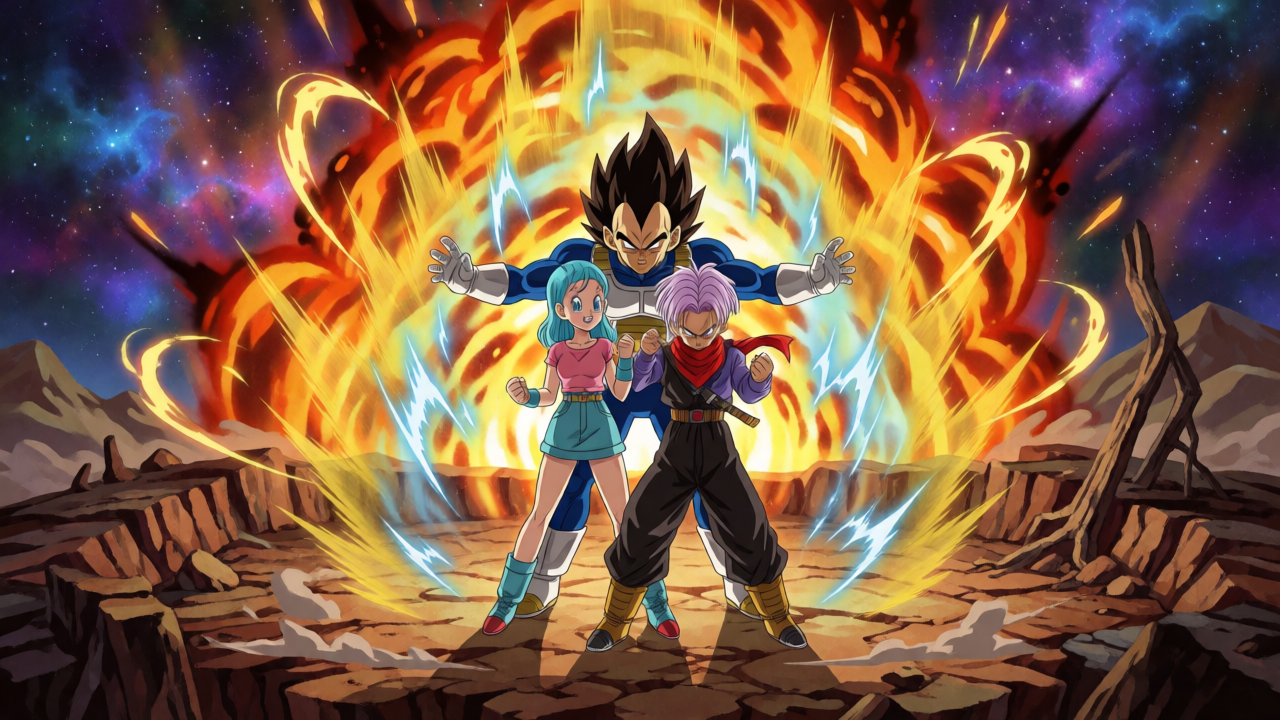
[EDDIE:intense]: But that’s exactly it! That's where the shift happens! You can see it in how he starts looking at Trunks and Bulma later on—it’s messy as hell, but it’s real. He starts valuing things that aren't just power levels. When he's fighting Cell, he isn't just trying to win; he’s actually risking everything for the sake of a child who isn't even his own by blood, but is part of this weird family he accidentally built. That kind of internal conflict—that war between his Saiyan pride and these new, messy human attachments—that doesn't happen because you do some math in your head. It happens because he’s actually feeling something for the first time.
[REG:dismissive]: Your analysis has the structural integrity of a soufflé in a wind tunnel. You're assigning profound emotional complexity to what is essentially a classic case of displacement. He didn't learn to love; he simply redirected his intense, singular focus from "conquering" to "protecting his specific territory." His attachment to Bulma and Trunks served as an anchor for his ego, giving him a new way to define his importance in the universe. It’s still just pride, Eddie. He just found a more socially acceptable way to exercise it.
[EDDIE:defensive]: Even if you're right about the pride, he’s using that pride for something good! The motivation might be twisted, but the outcome is different. You can't tell me those moments where he stands alone against an enemy just so his family can live aren't genuine shifts in his psychological makeup. He went from wanting to rule everything to being okay with standing in someone else's shadow if it keeps them safe. That’s a hell of a transformation for a guy who started out trying to murder everyone on the planet.
[EDDIE:defensive]: ---
THE EVIDENCE
[EDDIE:impressed]: Alright, let's move into The Evidence. You keep talking about "territory" and "socially acceptable pride," but we need to look at the actual tape. We aren't just talking about vibes; we are looking for the moment the old Vegeta would have walked away versus what he actually did.
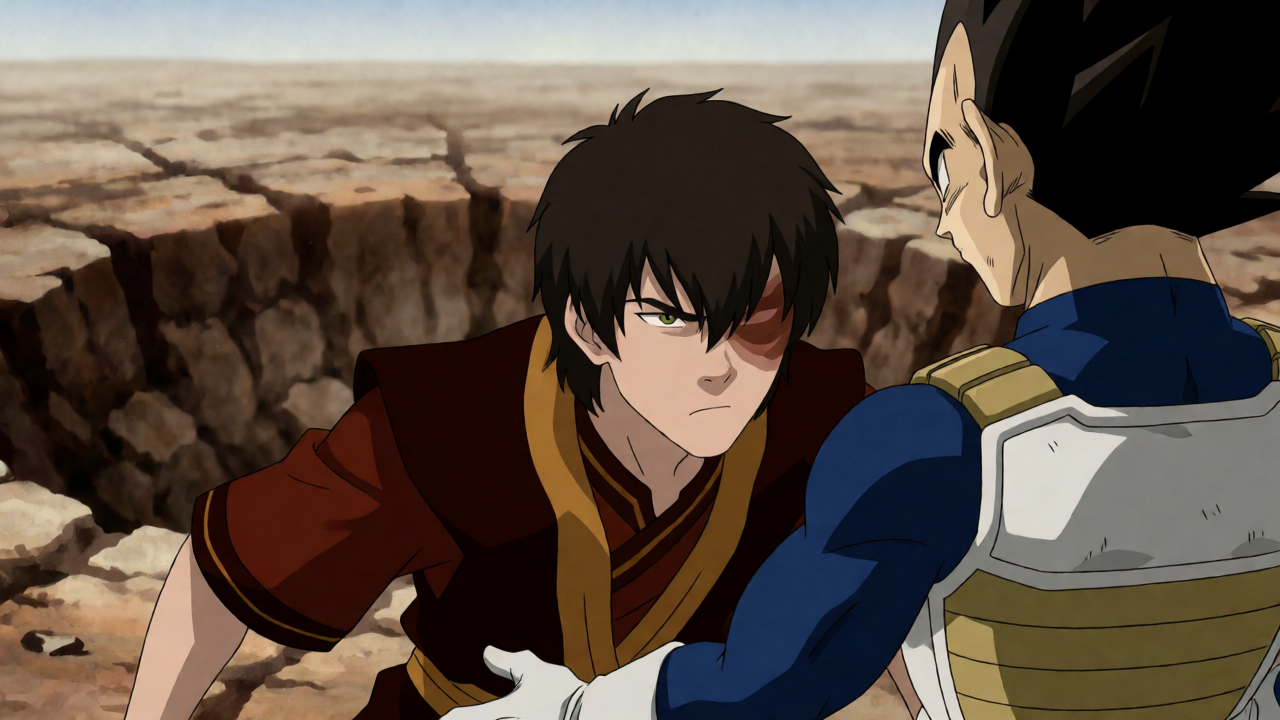
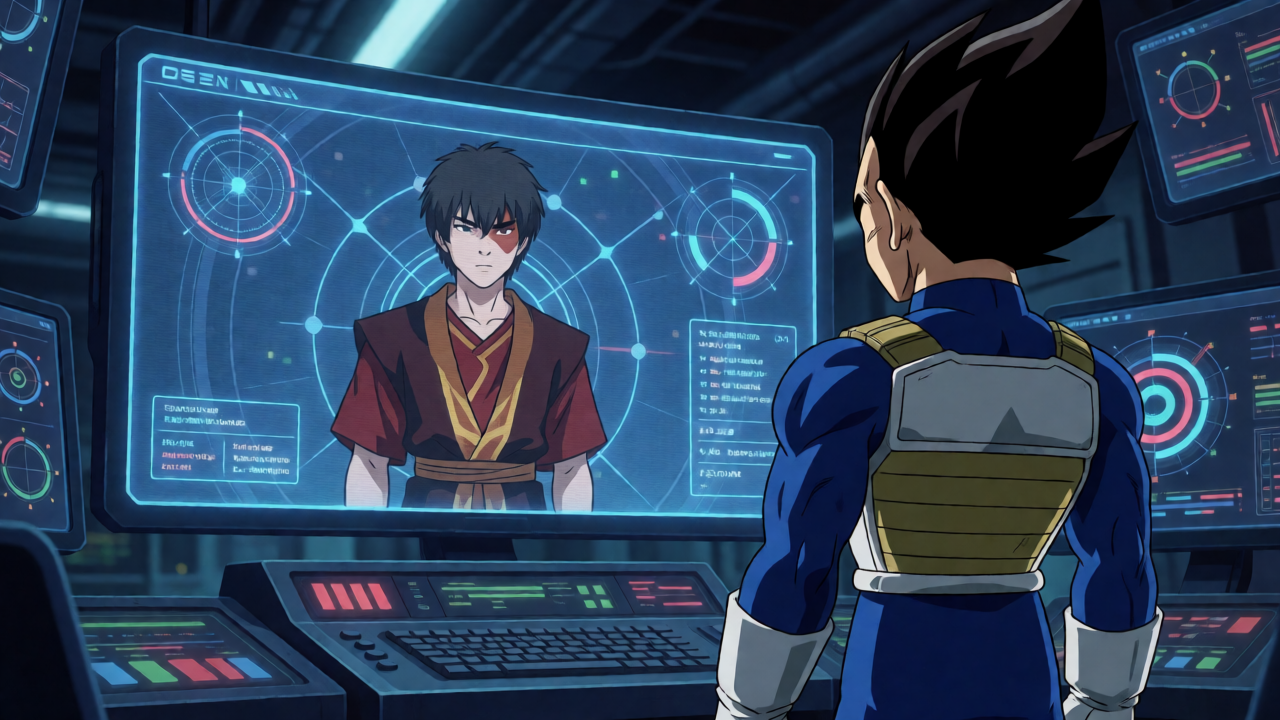
[REG:analytical]: If we are going to use a comparative framework, we must establish a standard of excellence in character transmutation. When we look at arcs like Zuko from *Avatar: The Last Airbender*, his redemption is foundational; it is built on the systematic deconstruction of his identity. Vegeta’s arc, by comparison, lacks that clean, surgical removal of his villainous ego. It feels... messy.
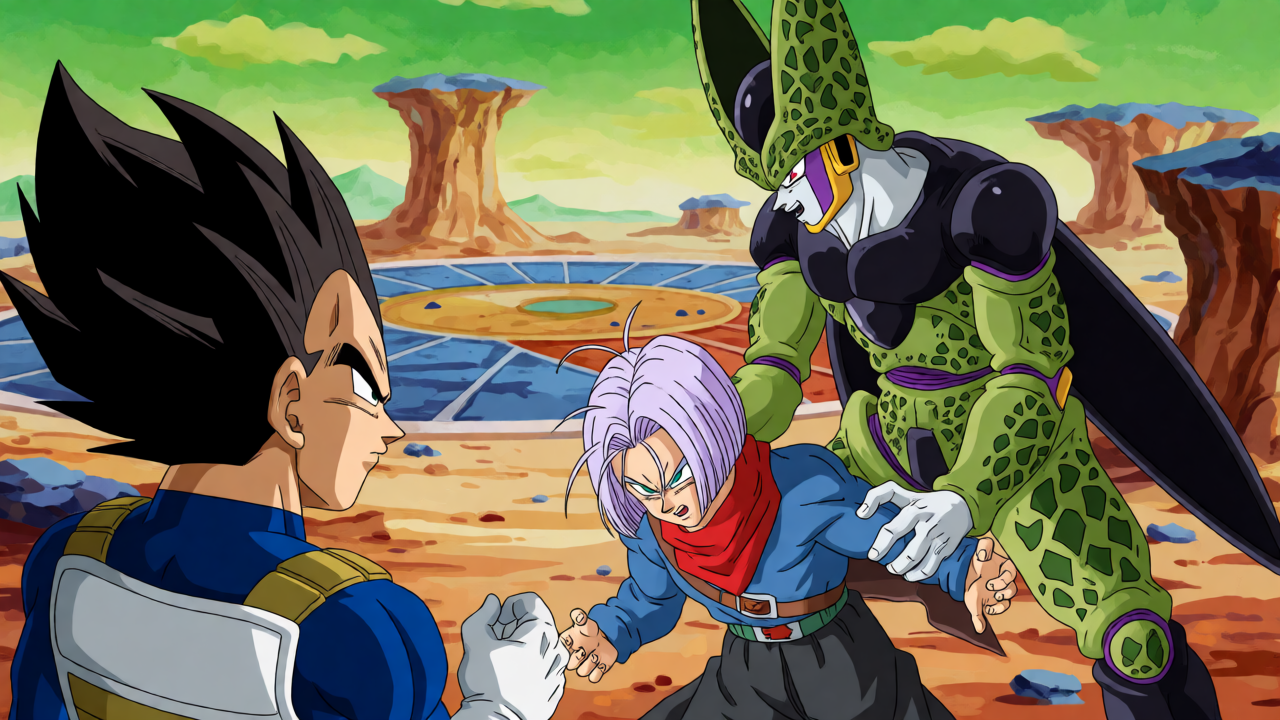
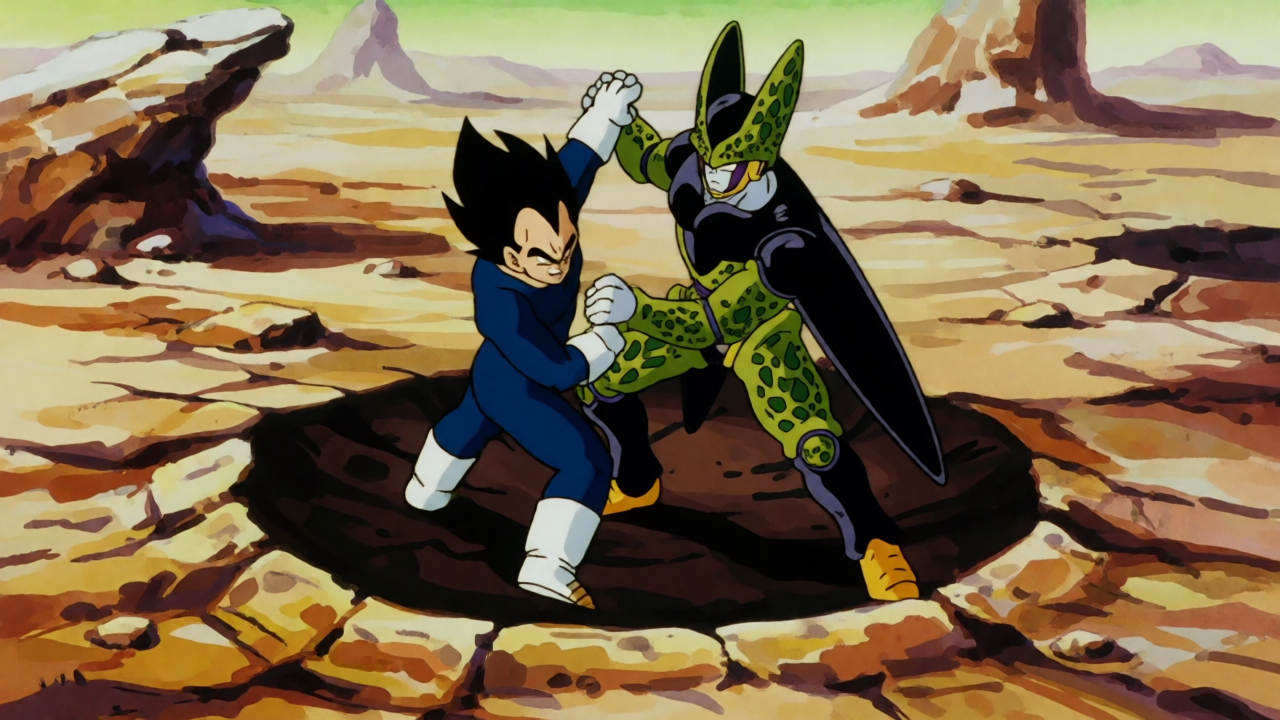
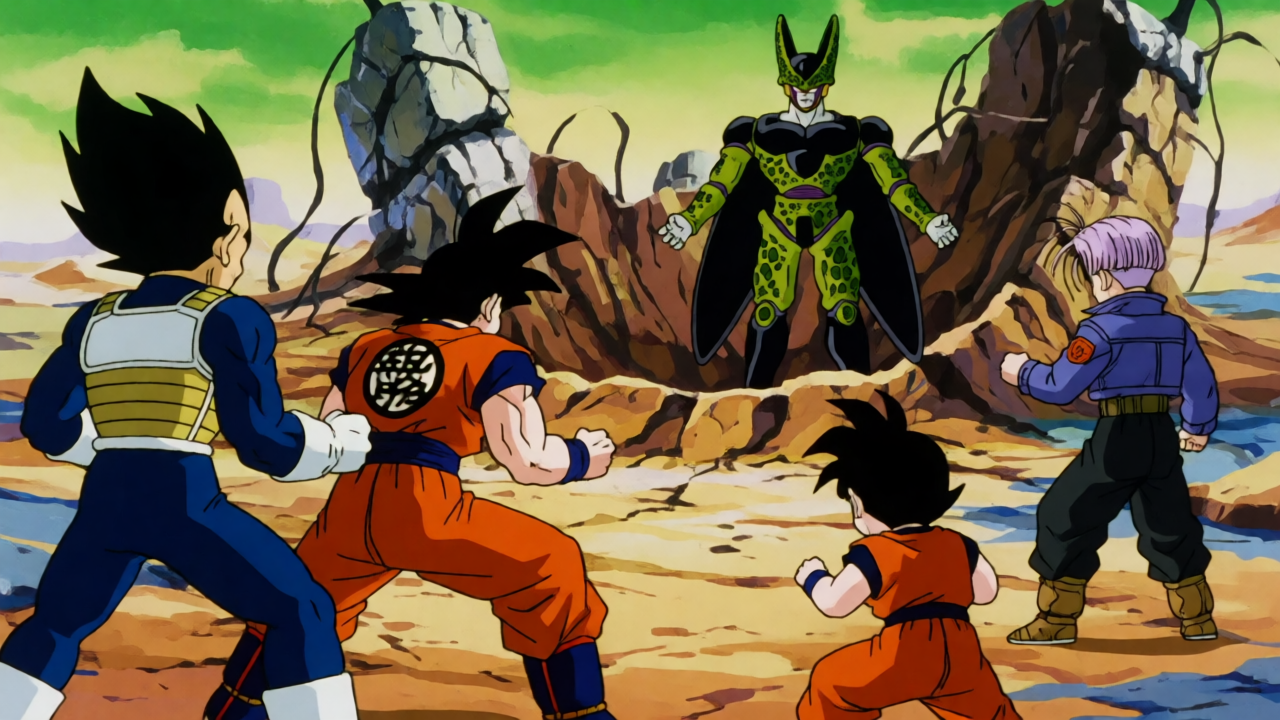
[EDDIE:passionate]: Messy? It's human! That's the point! Zuko is a textbook case—it's perfect and it's easy to track. But look at the Cell Games. Look at Vegeta standing there, literally watching his own son, Trunks, get toyed with by Semi Perfect Cell. He’s not just "adapting"; he is experiencing a total systemic failure of his entire worldview. The old Vegeta would have been laughing at Trunks for being weak or simply left to find a way to kill Cell himself to claim the glory. Instead, he’s actually *present*. He's participating in a group effort.
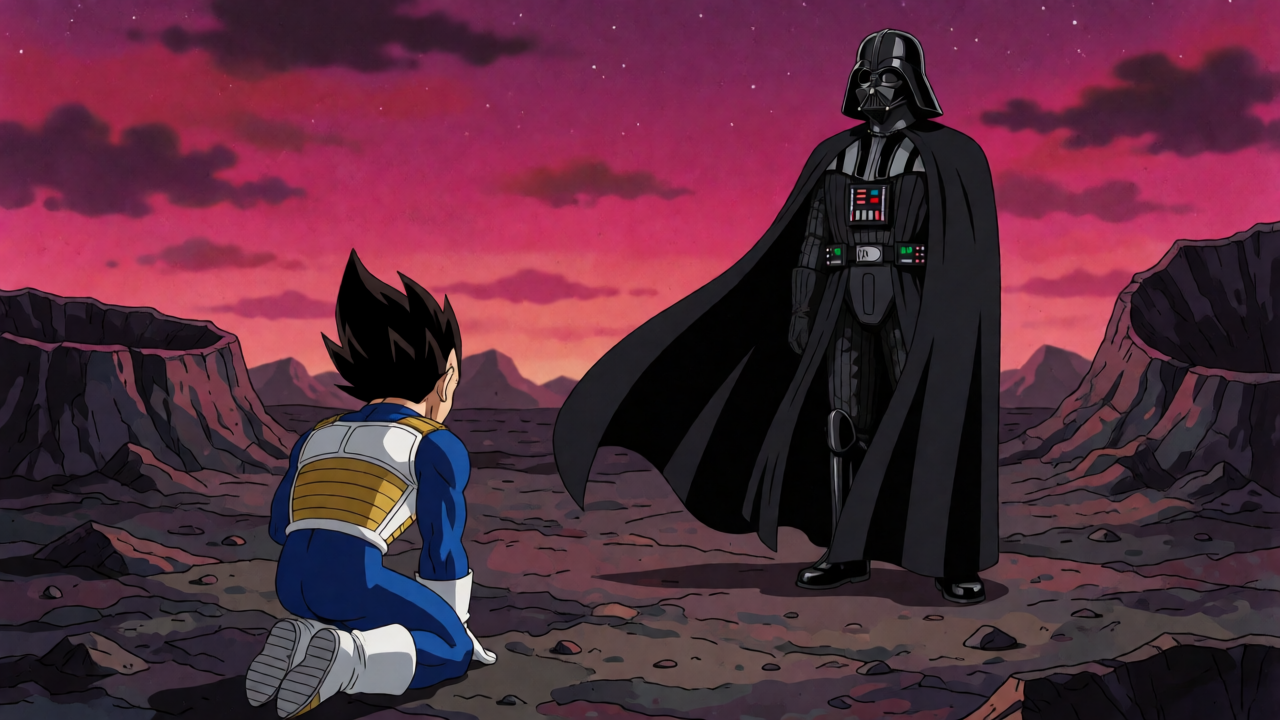
[REG:skeptical]: Participation is not transformation, Eddie. If we compare him to someone like Darth Vader—specifically post-Jedi Temple era—you see a man who shifts his allegiance because the power structure changed. Vegeta’s "cooperation" during the Cell arc is suspiciously aligned with the survival of his own genetic legacy. He isn't protecting Trunks out of altruism; he is protecting his investment in the future. He's guarding his lineage, not practicing virtue.
[EDDIE:intense]: That is such a cop-out. You’re stripping away the actual weight of the moment! There is a scene—and I know you'll try to rationalize this with some academic bullshit—where he realizes that Goku’s strength isn't just about being "the best," it’s about what he's fighting for. He sees the way Earthlings fight, and for once, he doesn't see them as insects; he sees them as a reason to actually stay in the fight. It’s not just strategy. If it were just strategy, he would have found a more efficient way to deal with Cell than standing on a cliffside watching his family struggle.
[REG:analytical]: I find your emotionality overwhelming. Let's look at the Majin Buu saga. This is where your "growth" argument hits a massive structural flaw. The introduction of Babidi’s magic—the literal external manipulation of Vegeta's soul through the Major 'M' mark—suggests that his "change" was actually just a temporary suppression of his nature by an even more powerful force. He didn't conquer his pride; he let a new demon take the wheel. It’s a regression, not progress.
[EDDIE:defensive]: You can't be serious! Even if we look at the Majin thing as a relapse—and I'll give you that, it was a massive screw-up—the fact that he *regretted* it is what matters! He actually chose to sacrifice himself to kill Buu. He chose death over being a puppet for Babidi. Think about that! The guy who used to live and die solely by his own survival instinct decided that dying to save the world was a better use of his time than being Frieza's lapdog or Babidi's tool. That is a massive, fundamental shift in how he values his own existence.
[REG:skeptical]: Or it was a calculated move to ensure his legend wasn't tarnished by serving a mid-tier sorcerer. He chose a "heroic" death because it preserved the dignity of the Saiyan Prince more than being a magical slave would have. It’s still ego, Eddie. He just traded "conqueror" for "martyr."
[EDDIE:intense]: You are navigating this argument with the precision of a compass made of guesses, Reg. A martyr is someone who gives everything up for something bigger than themselves. That's exactly what he did! He stopped trying to be the center of the universe and started being a piece of the defense. It’s not as clean as Zuko, I'll give you that, but it's much more fucking real because it's a struggle every single day for him.
[EDDIE:intense]: ---
STRESS TEST
[EDDIE:intense]: Alright, we are past the point of theorizing about his vibes or his "potential" for good. We have to hit him with the ultimate question: was he ever actually tested? A redemption that isn't put through a meat grinder isn't a redemption; it’s just a change in branding. To prove he’s changed, we need a moment where the old, selfish, "I-don't-give-a-damn" Vegeta would have walked away—or even thrived by being a bastard—but instead, he chose to bleed for someone else.
[REG:analytical]: And that is precisely where your argument collapses under its own weight. You want a stress test? Let’s look at the actual requirements of one. A true test requires a choice between a selfishly advantageous path and a selfless, high-cost path. In the moments you've cited, Vegeta's "selflessness" was always tethered to his own survival or his pride in his lineage. When he faces Buu, when he fights for the Earth, the stakes are high, but the motivation remains fundamentally ego-driven. He isn't fighting for the sanctity of life; he is fighting so that *his* version of existence—as a powerful Saiyan with a family—isn't erased. If his "goodness" only exists when it aligns with his personal survival and legacy, then he hasn't actually changed; he has just updated his survival strategy.
[EDDIE:defensive]: That is such a reductive way to look at human nature, Reg! You’re acting like you have to be a saint in a vacuum for it to count. Real life isn't pure altruism; it's messy and selfish. But the point of a stress test is that he *had* the easy out. During the Buu saga, when everything was going to hell, he had every reason to just sit on the sidelines, let Goku take the heat, and try to find a way to steal all that power for himself like he always did. That would have been his easiest path back to being the "Prince of All Saiyans" in his own twisted mind. Instead, he goes out there, he takes that hit from Buu, and he stays down. He accepts death. You can't tell me that a man who once tried to blow up the planet doesn't feel the weight of a sacrifice like that.
[REG:dismissive]: I find your insistence on "intent" over "outcome" to be intellectually lazy. Let us examine the actual mechanics of his sacrifice. Vegeta’s decision to fight Buu was born from a state of absolute desperation—he had already been humiliated, he had lost control to Babidi, and his pride was in tatters. He didn't choose the harder path because he discovered morality; he chose it because he ran out of options to maintain his ego. It was a move of pure, unadulterated spite against the situation itself. Even if we grant you that this constitutes a "sacrifice," it fails the stress test of character because it wasn't an act of virtue; it was a final, desperate attempt to reclaim agency in a universe that had stripped him of everything.
[EDDIE:intense]: Bullshit! You’re trying to strip the soul out of the man just so you can win your little academic debate. The internet loves to say "he's still a jerk" or "he's just doing it for his kids," but they're missing the forest for the trees. Whether he did it because of spite, pride, or love doesn't change the physical reality: He stood in the gap. He took a hit that would have leveled a city to buy Goku a few seconds. The old Vegeta wouldn't have given up his life—he was too obsessed with his own immortality and power to ever accept being "second best." By accepting death, he passed the only test that matters: the one where you trade your existence for someone else's future.
[EDDIE:intense]: ---
WRITERS ROOM
[EDDIE:impressed]: Alright, let's step away from the screen for a second and look at the goddamn blueprints. We’ve been arguing about Vegeta's soul, but we haven't addressed the most obvious factor in any character's evolution: the guys holding the pens.
[REG:analytical]: A very astute pivot, Eddie. We must transition from literary analysis to production reality. When a character undergoes a massive tonal shift, we have to ask if that trajectory was architected from the start or if it was a reactive, patchwork job necessitated by the sheer commercial gravity of the IP.
[EDDIE:intense]: That’s exactly what I'm getting at! Look, let’s be real—the writers were in a hell of a spot during the Namek and Cell eras. Vegeta is arguably one of the most popular characters in the entire franchise. You can't just kill him off or keep him as a straight-up villain when he’s driving all the merchandise sales and keeping the fans glued to their seats. There was massive commercial pressure to keep that energy high, but you can't just have a secondary antagonist constantly sabotaging the main heroes without the plot becoming a total mess.
[REG:analytical]: You are touching upon the "merchandise imperative," which is a documented reality in long-running shonen series. However, one must look at the structural integrity of the writing to see if they actually did the work. If you look into the history of how Dragon Ball Z Kai was developed—which was essentially a massive corrective measure for the original broadcast—it becomes clear that much of the "villainous" behavior Vegeta displayed in the anime was actually filler or deviations from Akira Toriyama's original manga pacing.
[EDDIE:intense]: Wait, hold up. You're saying some of the bullshit he did was just there to pad out the episodes?
[REG:analytical]: Precisely. The original manga is much more lean and focused on the progression of power. Much of the extended villainy or the "waiting around" during certain sagas was a byproduct of the anime’s production needs—specifically, trying to keep the animation quality high while waiting for new manga chapters to be drawn. This means some of the character's "relapses" weren't even part of the core narrative intent; they were structural necessities of a weekly broadcast schedule.
[EDDIE:defensive]: Okay, but that actually supports my point! If the writers had to actively work to maintain his villainy just to keep the show going, it proves how much they wanted him on the side of the heroes eventually. They didn't just flip a switch; they had to navigate this weird tension between his popularity and his actual role in the story. It wasn't a lazy rewrite; it was a tightrope walk.
[REG:analytical]: Perhaps, but there is a darker way to view it. One could argue that Vegeta’s redemption was retrofitted to solve a power-scaling problem. As Goku reached new levels of divinity, the narrative required more heavy hitters on the side of the protagonists to keep the stakes feeling high. Transforming the Prince into an ally wasn't just about his character growth; it was about expanding the available roster for the next tier of cosmic threats.
[EDDIE:intense]: Maybe so, but even if it started as a way to fill out the roster, they actually built the bridge to get him there. They didn't just hand him a "good guy" badge and call it a day; they made his transition look like a damn struggle.
[EDDIE:intense]: ---
CHARACTER WITNESSES
[EDDIE:impressed]: Alright, let's look at the witness stand. We’ve analyzed the defendant’s actions, but we haven’t heard from the people who had to live in his shadow. If this redemption is real, then the people he wronged have to be part of that equation—either by forgiving him or by being left out of the conversation entirely.
[REG:analytical]: That is a critical oversight in your argument, Eddie. Forgiveness without full disclosure is not moral absolution; it is merely ignorance. Did Bulma and Trunks truly forgive him, or were they simply coerced into acceptance because his power was required for their survival? In any judicial proceeding, we must consider if the victims were silenced to facilitate a cleaner narrative flow.
[EDDIE:passionate]: You’re talking about "coerced," but I'm looking at the actual dynamic! Look at the way the Z Fighters treat him. It's not just "acceptance"; it's respect born from combat. Even Piccolo, who literally died because of the Saiyan invasion, ends up standing shoulder-to-shoulder with him during the Buu saga. You don't get that kind of veteran solidarity just because you share a zip code; you get it because he proved his worth in the trenches.
[REG:skeptical]: Or perhaps the narrative simply lacks the space to acknowledge the collateral damage. I've been digging through some older fan circles and deep-lore discussions, and there is a massive debate regarding the "silenced victims" theory. Specifically, look at the Namekian perspective. While we see Vegeta interacting with Krillin or Gohan, the actual survivors of his genocidal tendencies—the Nameless Namekians he slaughtered to get to Frieza—are never given a voice. They aren't characters; they are just casualties used to raise the tension for Goku's arrival.
[EDDIE:intense]: Maybe so, but look at Trunks! The kid is literally his biological legacy. You can't tell me that seeing his own son fight alongside the people he once tried to murder didn't serve as a massive reality check. It’s like... it's in the DNA of the show.
[REG:analytical]: Actually, there is an even more obscure angle here that most casual viewers miss. There is a persistent fan theory regarding the "Redemption through Proximity" effect. Some theorists point out that because Vegeta’s name follows specific phonetics—using those hard /g/ and /b/ consonants associated with "bad and male" characters in Japanese linguistics, as researchers at Tsuda University have noted—the narrative's attempt to make him a hero is actually fighting against the linguistic foundation of his very identity. The writers weren't just writing a character; they were trying to rewrite the phonetic destiny of a villain.
[EDDIE:impressed]: Phonetic destiny? That sounds like some high-level, zooted bullshit, Reg, but I'll tell you what—it doesn't change the fact that when he stood in front of Buu, nobody was asking about his consonant usage; they were just glad he wasn't aiming at them anymore.
[EDDIE:impressed]: ---
VERDICT
[EDDIE:intense]: We’re running out of time for the back-and-forth, Reg. The evidence is laid out on the table. We've looked at the blood he spilled on Namek, we've looked at the pride that keeps him acting like a prick even when he's helping, and we've seen the way the writers clearly used his popularity to pivot him into a hero because they needed more muscle for the big fights. It’s a mess of genuine growth and pure narrative convenience.
[REG:analytical]: Indeed. We have reached the terminal phase of this inquiry. We are no longer debating whether Vegeta is a reformed man—for he remains, at his core, an ego-driven combatant—but rather if the structural transition from villain to ally was a legitimate evolution or merely a convenient byproduct of production demands and power scaling requirements.
[EDDIE:passionate]: Look, I'll be the first to admit it—you're not wrong about the convenience part. It’s hard to deny that as Goku kept hitting new levels of god-tier bullshit, the writers needed Vegeta in the corner just so the fight scenes didn't get stale. He became a tool for the plot at certain points, I’ll give you that. If we only look at his utility to the cast, he’s just a weapon they sharpened for their own use.
[REG:calm]: A rare moment of clarity from you, Eddie. Your acknowledgment of the "merchandise imperative" and the necessity of roster expansion is noted. However, even if the motivation was pragmatic, the psychological cost to the character suggests something more profound occurred within the text itself.
[EDDIE:intense]: After examining the evidence—specifically that he transitioned from a man who would kill his own allies for a quick power boost to a man willing to embrace permanent extinction just to buy a few seconds for his family and his rival—my verdict is: Redemption Earned. It wasn't a clean, surgical procedure like Zuko; it was a bloody, jagged, painful transformation that required him to lose everything he thought defined him before he could actually become someone worth following.
[REG:pompous]: And I must counter with the cold reality of the record. After evaluating the evidence—specifically noting that his most "heroic" moments were often triggered by a loss of agency, such as being magically controlled by Babidi or facing total erasure—my verdict is: Redemption Not Earned. He did not master himself; he simply found new, more complex ways to satisfy his obsession with combat and legacy. His change was a byproduct of the narrative needing a powerhouse, not a soul finding its way through the dark.
[EDDIE:impressed]: You're still being a hard-ass, Reg, but at least you aren't lying about how messy it is.
[REG:calm]: Accuracy is rarely pretty, Eddie. We have reached our conclusion. Now, we turn to the only authority that matters in this matter of cosmic justice: the audience. Cast your vote on our platform and tell us if the Prince deserves his crown or a cell.
[REG:calm]: ---
OUTRO
[EDDIE:pensive]: Man, my head is spinning a little bit from all that heat. Whether you think he’s a changed man or just a highly specialized weapon for the plot, there's no denying that Vegeta is one of the most complex pieces on the board.
[REG:analytical]: A fundamental truth, regardless of whether one views his evolution as spiritual or merely structural. The tension between his inherent nature and his narrative utility provides an endless loop of study.
[EDDIE:intense]: Yeah, well, the debate isn't over just because we stopped yelling. If you think a single sacrifice can wash away decades of planetary genocide, smash that like button right now. But if you believe the writers just gave him a pass because he was too popular to kill, tell us why in the comments.
[REG:calm]: Precisely. The discourse is as vital as the data itself. If you wish to engage with our research or view more of our proceedings, visit Laser Chicken Studios dot com.
[EDDIE:excited]: And we want your final verdict on this one. Was it earned or was it a handout? Cast your vote: Earned or Not Earned. Tell us the "why" behind your decision—your reasoning is what keeps this thing alive.
[REG:calm]: Villain's Advocate.
[EDDIE:intense]: Villain's Advocate.
[EDDIE:intense]: ---
POST CREDITS
[REG:intense]: The infusion was far more potent than the packaging suggested; I felt my ego dissolving into a geometric lattice of pure light.
[EDDIE:amused]: You're telling me you got toasted by some herbal tea from the corner shop?
[REG:serious]: It was not merely "tea," Eddie; it was an odyssey through a non-Euclidean landscape that challenged my very perception of time and space.
[EDDIE:skeptical]: Man, you're just faded because you can't admit you overcooked some chamomile or whatever.
[REG:defensive]: The visual distortions were profound, almost akin to a controlled research session involving high-dose psilocybin...
🖼 Gallery
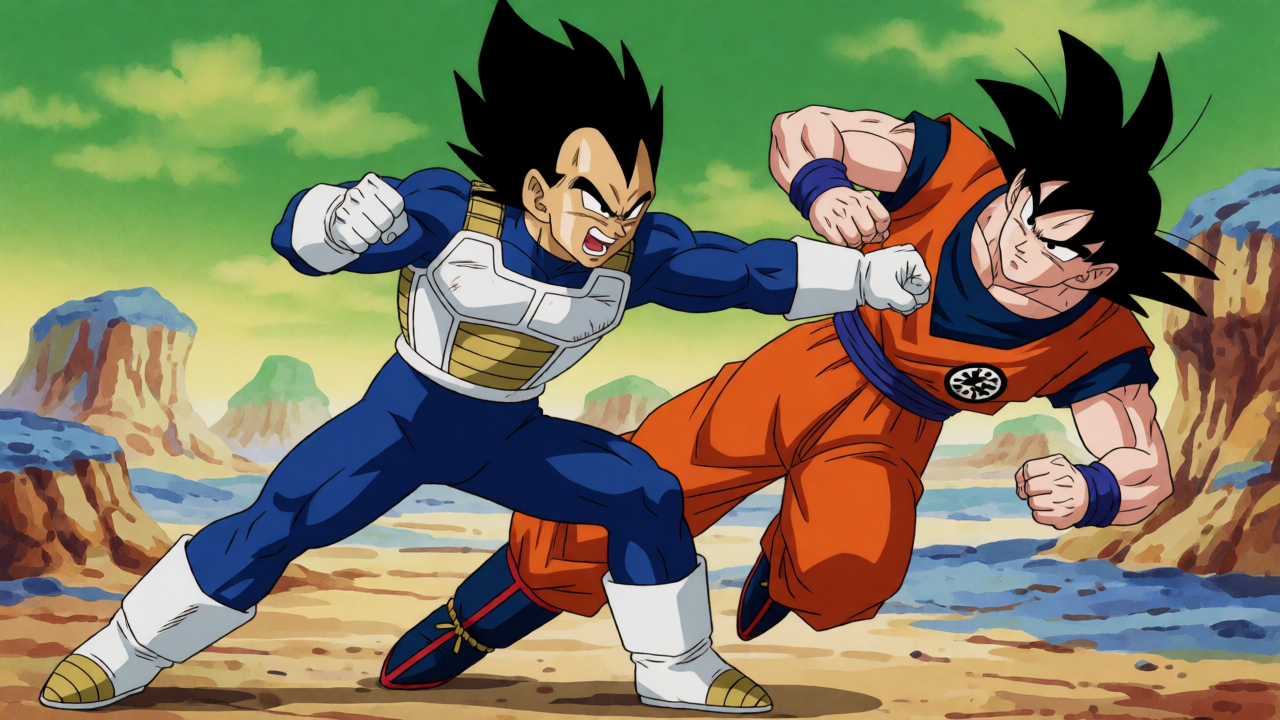
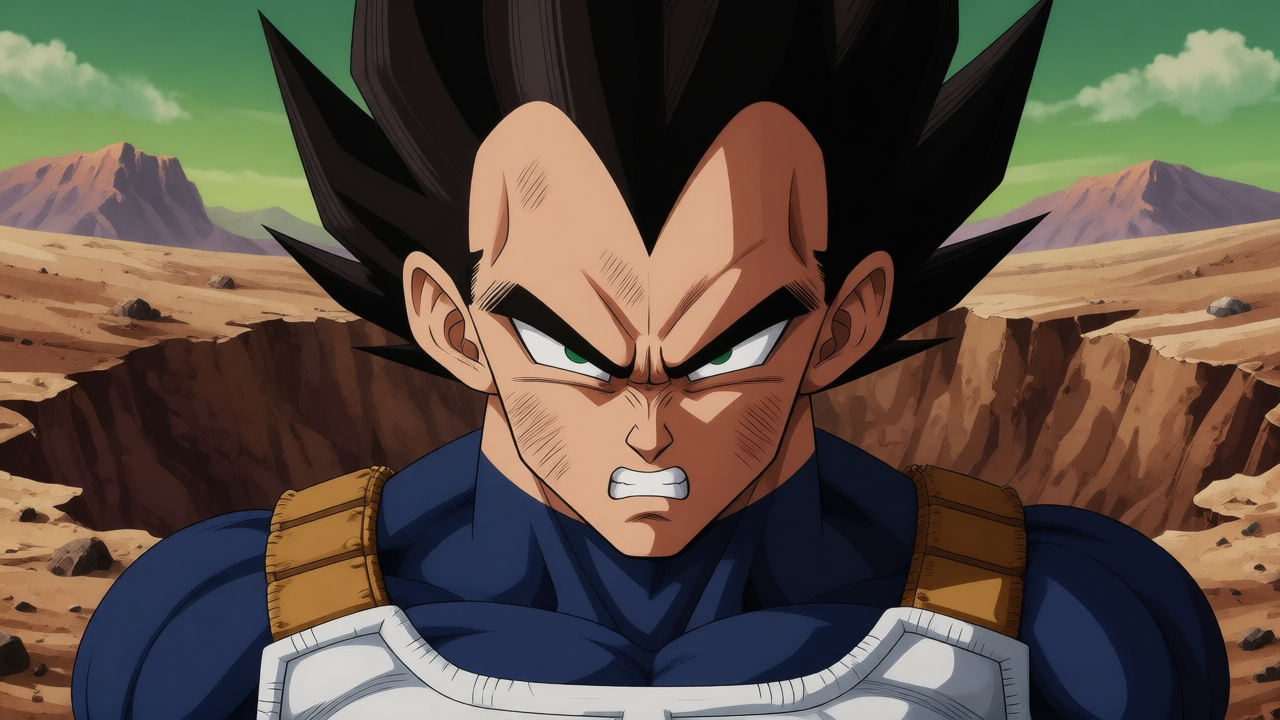
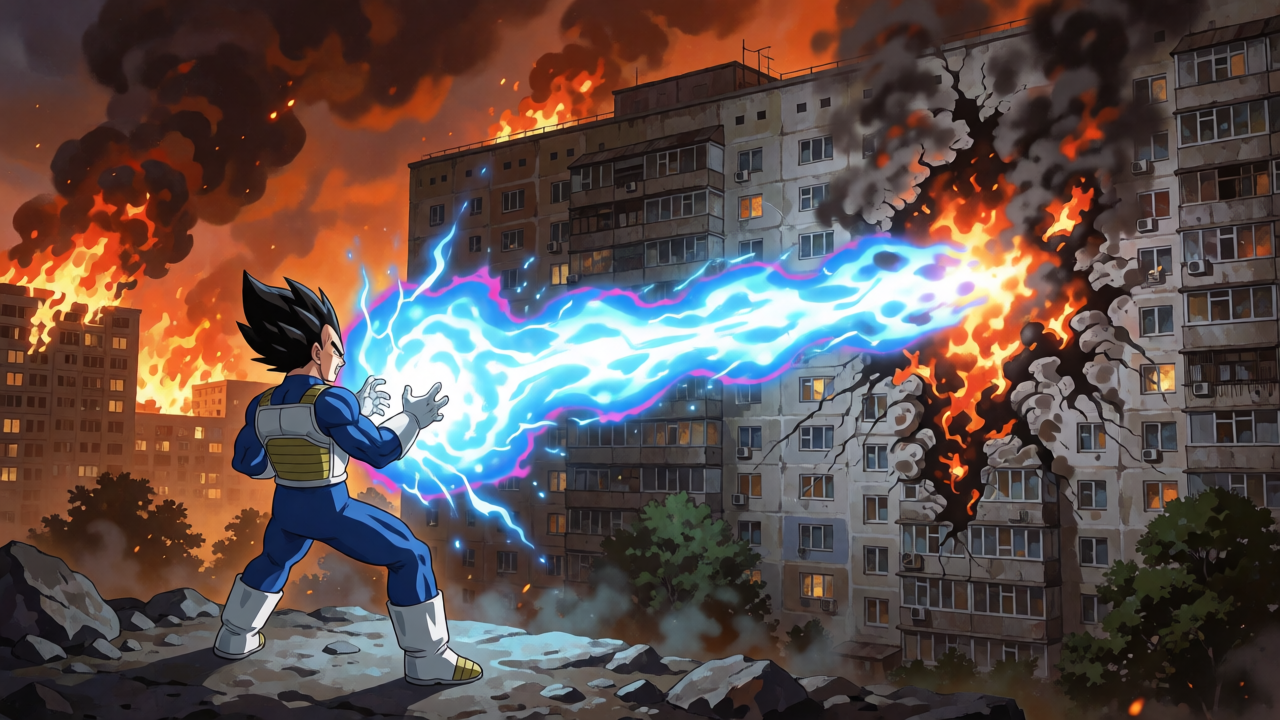
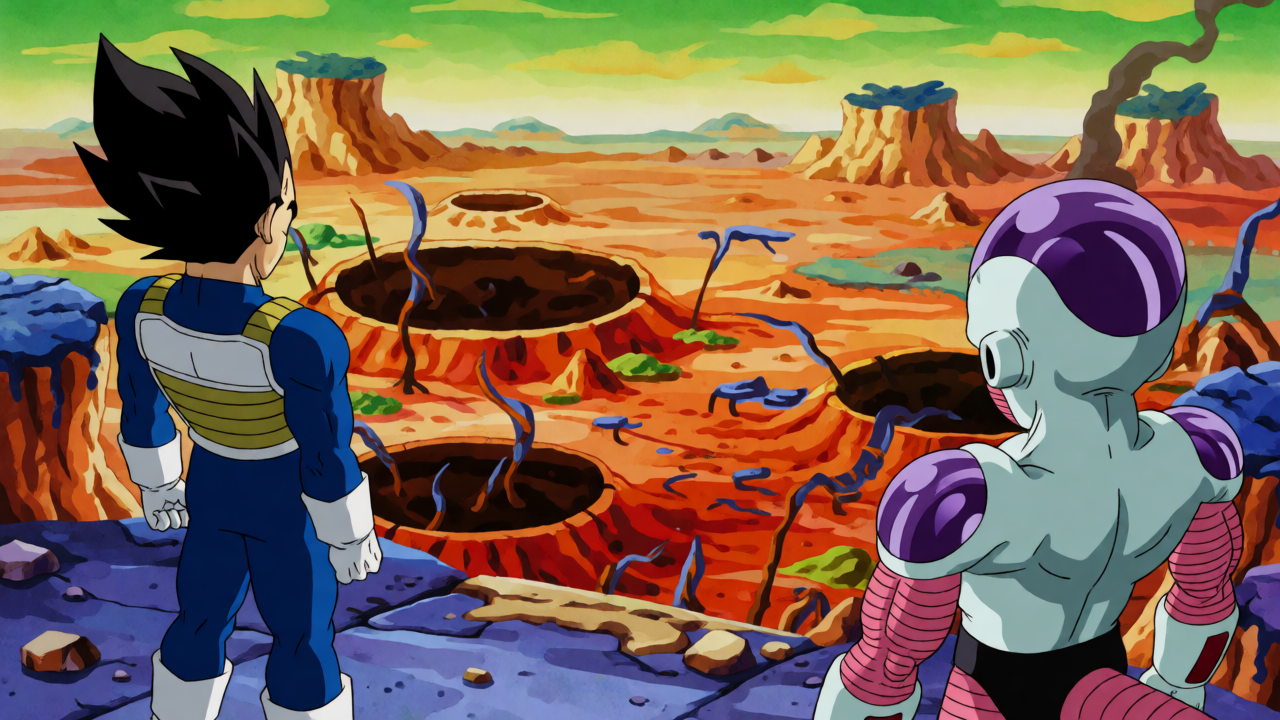

🎙 Bonus Banter
Bonus Banter — Vegeta
Take 1
[EDDIE:hazy]: ...and I’m tellin’ you, man, if that pigeon looks at me sideways again, I's throwing the whole burrito.
[REG:moody]: It isn't aggression, Edward; it's a manifestation of urban avian spatial awareness interacting with your erratic kinetic energy.
[EDDIE:blunt]: Nah, bruh, he’s definitely high on something, look at his eyes—he’s got that glazed-up, heavy-lidded stoner stare, straight up.
[REG:pompous]: You're projecting human neurochemistry onto a creature whose brain is essentially a gelatinous grape designed for navigation and survival.
[EDDIE:giddy]: A gelatinous grape? Bro, you gotta stop takin' those microdose mushrooms before breakfast, your vocabulary is gettin' weirdly heavy...
[REG:detached]: It’s called precision of language, though I concede the texture metaphor was perhaps an overreach into the surrealist...
[EDDIE:faded]: Just pass the chips and shut up about the birds, man, because if that one lands on your head, I ain't—
---
Take 2
[EDDIE:high]: ...but then you gotta realize, like, if you’re eating a taco and a worm is in it, that's just extra protein, man, it's basically organic fuel...
[REG:mood]: It is a fundamental violation of the social contract of gastronomy, Eddie; one expects a controlled environment, not a sentient salad.
[EDDIE:loud]: Man, you overthinkin' it, bro. If I’m vibing and there’s a little hitchhiker in my carnitas, we just gonna be buds, you feel me?
[REG:mood]: The ontological implications of "being buds" with a nematode are frankly exhausting; it blurs the line between sustenance and companionship...
[EDDIE:giggle]: You're too deep, man. I’m talkin’ about flavor profiles! A worm adds a certain, like, earthy funk to the—
[REG:mood]: "Funk" is a pedestrian descriptor for what is essentially biological chaos masquerading as a culinary experience...
[EDDIE:dopey]: Dude, if you don't stop using them ten-dollar words, I’m gonna start calling you Professor Taco instead of—
[REG:mood]: Your refusal to engage with the linguistic nuances of our existential dread is precisely why my serotonin levels are so—
---
Take 3
[EDDIE:stoney]: and I’m telling you, man, if they ever make a movie about that pigeon with the one leg, it's gonna be pure fire, like total blaze.
[REG:pompous]: You lack nuance, Edward; the avian structural imbalance serves as a profound metaphor for the inherent instability of urban architecture and post-modernity.
[EDDIE:high]: Nah, man, he’s just vibing, probably eating discarded sourdough in a park while staring into the soul of a tourist, ya know?
[REG:cerebral]: It is more akin to an ontological glitch, a crack in the simulation where the biological imperative meets the crushing weight of concrete.
[EDDIE:distracted]: I’m just saying, if you gave that bird a tiny little hat, the whole aesthetic shifts from tragedy to straight-up legendary—
[REG:pretentious]: The millinery requirements for such a creature would necessitate a deep dive into Victorian funerary traditions and the semiotics of—